
http://www.videobusiness.com/article/CA6645550.htmlvideobusiness.com wrote: Single-DVD cases to use 20% less plastic
Sony's single-DVD of Paul Blart: Mall Cop will be in more environmentally friendly packaging.
MARCH 23 | Sony Pictures Home Entertainment is launching a massive green packaging initiative, starting with the May 19 DVD and Blu-ray Disc release of Paul Blart: Mall Cop.
From Mall Cop on, all of Sony’s single-disc standard-definition DVDs will incorporate ultra-light cases that feature 20% less plastic than Sony’s previous single-disc standard DVDs and will be covered with plastic shrinkwrap that is 20% lighter. The printed artwork that wraps around boxes will use paper that contains 30% post-consumer waste. Previously, Sony had been using 100% virgin paper.
The studio’s goal is to reduce carbon emissions associated with its DVD manufacturing and distribution by 2 million pounds in North America by the end of 2009.
“What we were looking to do was be efficient and over time, deliver cost savings,” said Lexine Wong, senior executive VP of worldwide marketing for SPHE.
The lighter cases also should help the studio trim both packaging costs and freight charges.
“For the last couple of years, we have been looking at ways to be sustainable and make a difference,” said Wong. “I think our industry and our studio are really committed to environmental issues. All the studios are.”
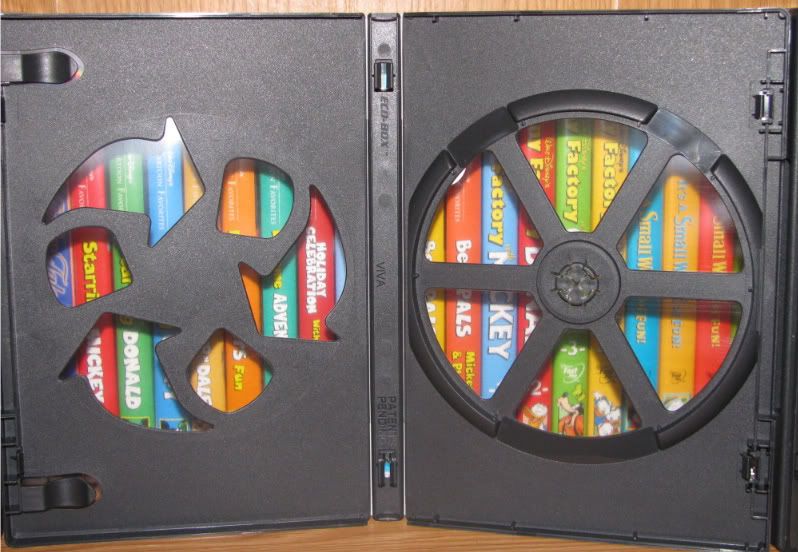
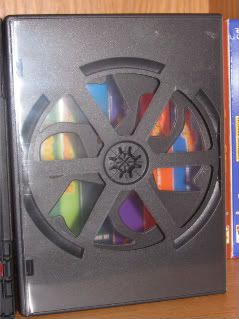
The Mall Cop box is an Amaray-style case with parts of the box wall cut out to use less plastic. It won’t be the only box Sony uses in the future, and the studio said other green packaging might involve thinner plastic material. The ultra-light cases are currently limited to Sony’s standard DVDs packaged as single discs, but the studio is studying how to extend the change to Blu-ray and higher-end DVD releases.
The Mall Cop DVD (prebook April 16; $28.96; Blu-ray will be $39.95) also will be packaged without a cardboard ‘O-ring,’ saving more than 2,200 trees, or 322 tons of wood, according to Sony. The studio is still considering whether to drop O-rings from future titles.
The embossed cardboard sleeves that slip over many DVDs have been the subject of much industry discussion, because eliminating them would offer environmental benefits and cost savings. The sleeves can carry more elaborate artwork than paper inserts, however, so they are considered key to making releases stand out on shelves.
Several studios have been using greener packaging solutions, following Wal-Mart mandates that vendors both clamp down on carbon emissions and reduce packaging.
Already studios have worked to meet Wal-Mart’s goals, slimming average DVD packaging weight by about 30% between 2006 and 2008. The carbon imprint for a title (encompassing emissions from manufacturing, packaging and transportation to retail) dropped to 0.98 lbs. in 2008, down from 1.1 lbs. in 2006, according to the Digital Entertainment Group.
Warner Home Video was behind one of the first studio-wide green efforts in 2007 when it switched from using virgin stock to partially recycled paper in all art covering its DVDs. 20th Century Fox Home Entertainment rolled out the first carbon-neutral DVD with November release Futurama: Bender’s Big Score.
Before introducing its packaging strategy, Sony first collaborated with expert organizations the National Resources Defense Council and the Environmental Protection Agency.
“The intelligence and energy that Sony Pictures Home Entertainment has brought to this ecologically valuable initiative is inspiring and sets an example for all manufacturers of DVD packaging,” said Dr. Allen Hershkowitz, a senior scientist at the NRDC. “This is a valuable step in the right direction and should encourage all DVD manufacturers to take action against global warming, to protect intact forests and conserve resources.”
Sony is launching the effort in North America only, but hopes to soon roll it out to European and Asian markets.


_________________________________________
thoughts?











 I'm happy.