Thought I'd bump this up as I found some photos in my photobucket account that can help be useful for aspect ratio discussion:
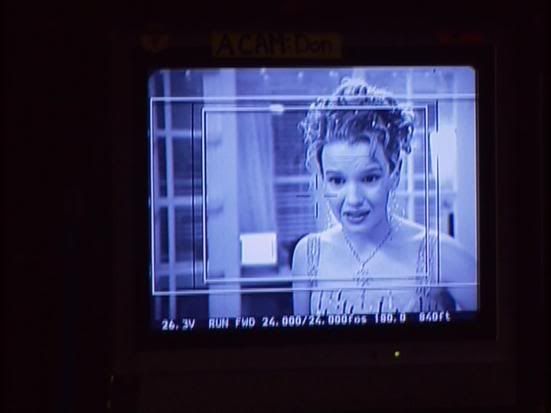
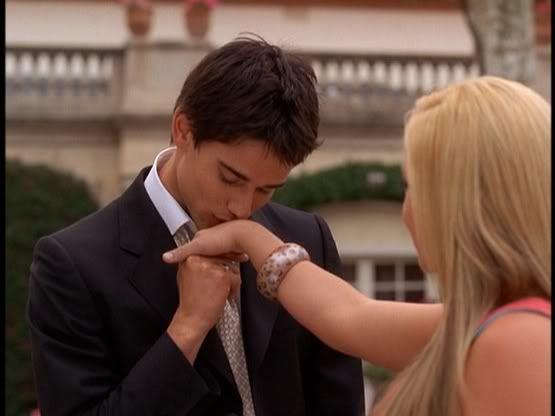
First is an example of the open-matte process, in which a film is shot in 1.33:1 but with a 1.85:1 ratio in mind.
This monitor shows the image that the camera captures, along with lines to show the 1.85:1 framing, as well as the 1.33:1 centre-crop that would be done for 4:3 presentations. The movie is
Read It And Weep (yeah, yeah, bad movie, but it's a leftover cap that wasn't used in my review for it)
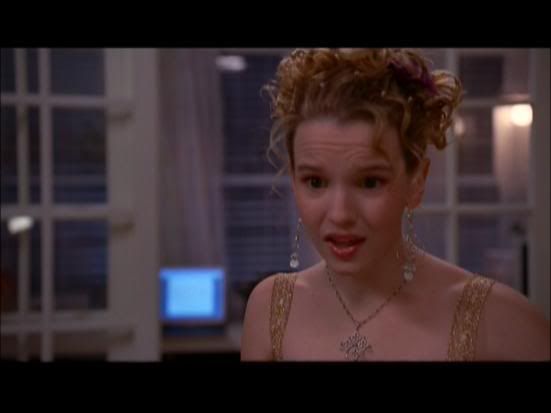
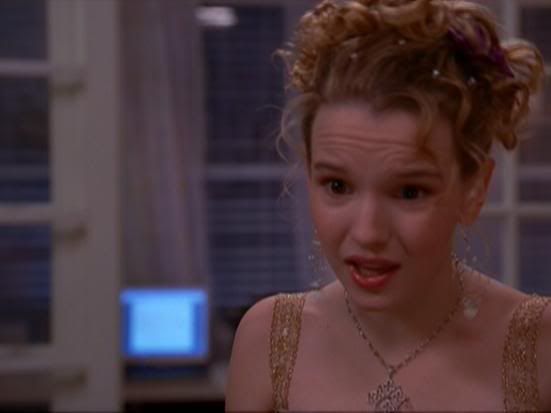
The next two pictures show the 1.85:1 frame and the 1.33:1 frame that does get used. (the 1.85:1 came from a featurette on the DVD, the film in 1.85:1 is not on the DVD)
Another example of a 1.85:1 film cropped to 1.33:1. This is from
The Cheetah Girls 2 and again, the only reason I have it is because I co-wrote the review for it.
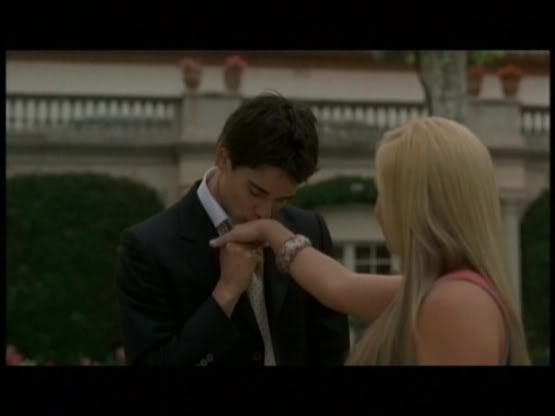
Along with a strange cropping of the 1.33:1 image, this was used in the (non-anamorphic) music video.
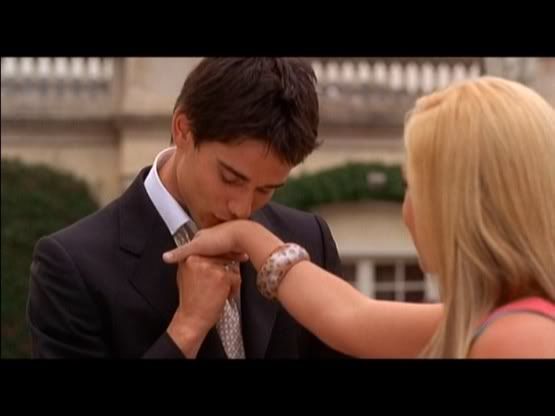
Pretty much every 1.85:1 movies ever made were/are filmed this way (open-matte that is matted), and in most cases, a 4:3 presentation will be pan&scan of the 1.85:1 matted frame, though occasionally they choose to present it open-matte.
I wish I had caps for a scene with visual effects, as in most cases, the visual effects are hard-matted to the 1.85:1 frame, and so in a fullscreen release, some will either be a complete P&S of the 1.85:1 frame, or an open-matte with the VFX sequences in P&S).
The next caps all show how various film ratios would appear on a 16:9 television if overscan was not taken into consideration.
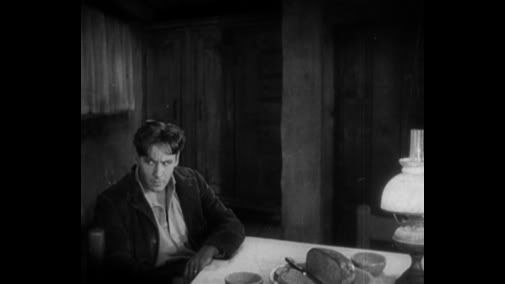
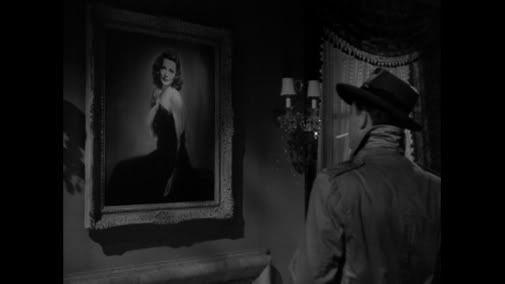
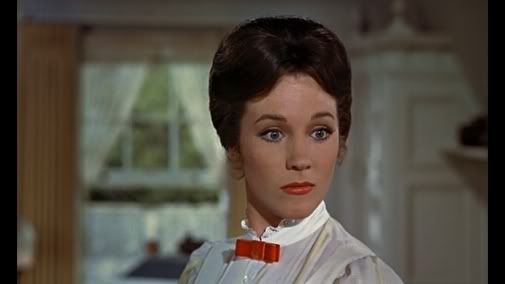
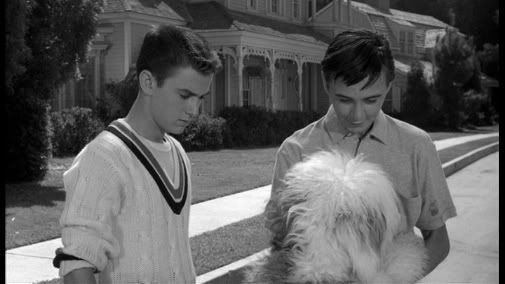
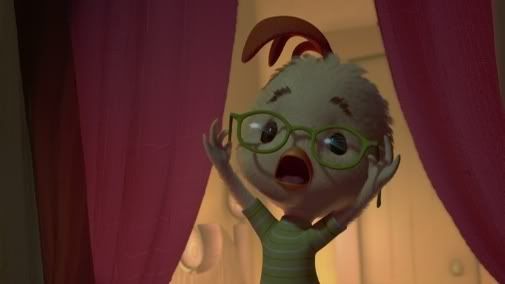
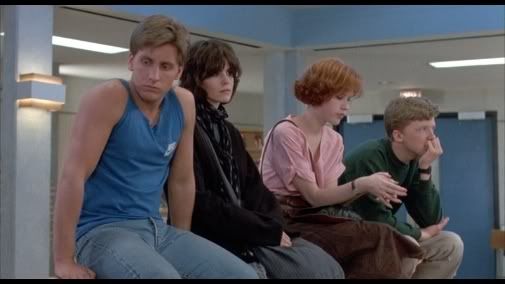
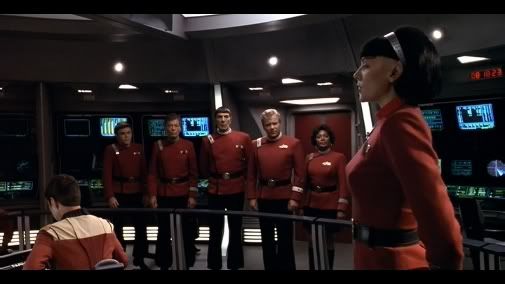
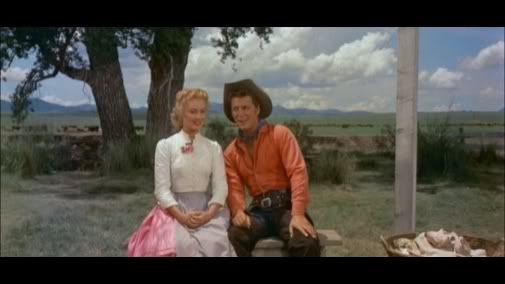
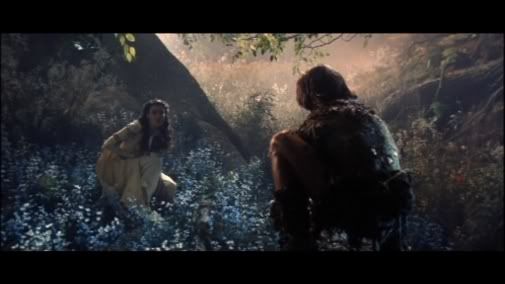
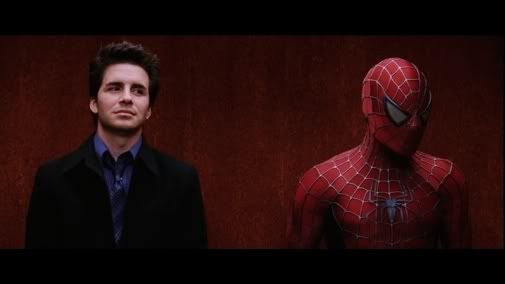
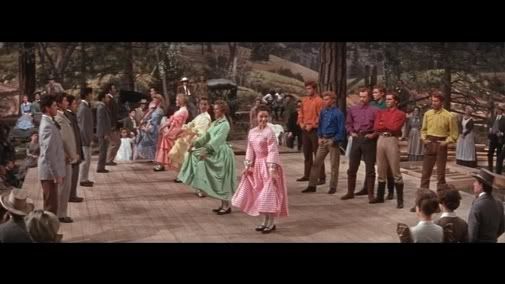
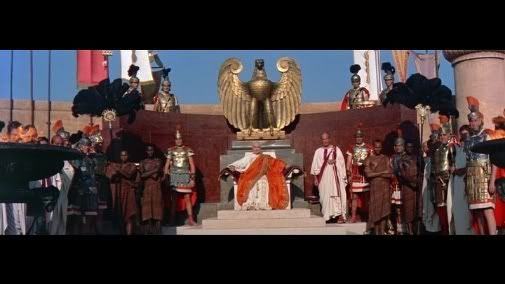
albert
 Thanks to all!